ERICSSON 1-ROF Dsu Printed Circuit Board 1/ROF 4414/14 DSU/14 R1B 20070904 131
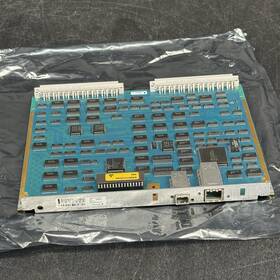
( Brand: Ericsson ), ( Manufacturer Part Number: 1/ROF ), ( Part Type: Circuit Board ), ( Unit Type: Unit )
Review ERICSSON 1/rof 4414/14 Dsu/14 R1b 2007 0904 131 Printed Circuit Board
The **Ericsson 1/ROF 4414/14 DSU/14 R1B (20070904 131)** is a high-performance printed circuit board (PCB) designed specifically for Ericsson s Radio Over Fiber (ROF) infrastructure, serving as a critical component in modern wireless communication networks. Manufactured under strict quality control protocols, this PCB is engineered to facilitate seamless signal transmission between radio units and baseband processing systems, ensuring optimal performance in dense urban, suburban, and remote deployment scenarios. The board features a robust, multi-layered design with precision-placed vias, high-density interconnects, and carefully selected materials to minimize signal loss and interference, making it ideal for high-capacity, low-latency applications such as 2G, 3G, and early 4G wireless networks. Its compact yet durable construction accommodates a variety of integrated circuits, including analog front-end components, digital signal processors, and power management modules, all optimized for reliability in demanding environmental conditions. The **20070904 131** revision date suggests it was part of a refined production batch, incorporating updates to enhance compatibility with Ericsson s base station architectures while maintaining backward and forward compatibility with existing network infrastructure. This PCB is particularly suited for use in distributed antenna systems (DAS), small cell deployments, and remote radio head (RRH) setups, where its efficient power distribution and signal integrity are paramount. Whether integrated into a standalone radio unit or as part of a larger Ericsson network solution, this component exemplifies the brand s commitment to scalability, efficiency, and long-term operational stability in telecommunications deployments.
### **Pros and Cons of buying a Ericsson 1/ROF 4414/14 DSU/14 R1B (20070904 131) Printed Circuit Board (PCB)**
#### **Pros:**1. **Reliability and Proven Technology** The Ericsson 1/ROF 4414 series is a well-established platform used in telecom networks, particularly for digital subscriber line (DSL) access multiplexers (DSAMs) and remote optical units (ROUs). The PCB in question is from a model known for stability in carrier-grade deployments.
2. **Compatibility with Legacy Systems** If you are maintaining or upgrading an existing Ericsson 1/ROF network, this PCB is likely a direct replacement part, ensuring seamless integration without requiring major infrastructure changes.
3. **Availability of Technical Documentation** Ericsson s older equipment often has accessible service manuals, schematics, and troubleshooting guides, which can be helpful for repairs or diagnostics.
4. **Potential Cost Savings** Buying a used or refurbished PCB may be cheaper than purchasing a new one, especially if the original equipment is no longer in production.
5. **Functional Components** If the PCB is in good condition, it may still contain high-quality passive and active components (e.g., capacitors, resistors, ASICs) that function reliably, provided they have not degraded over time.
6. **Resale or Trade-In Value** If the equipment is still in demand, the PCB may retain some value for resale or trade-in, depending on market conditions.
---
#### **Cons:**1. **Age and Wear** The PCB is from **2007**, meaning it has been in use for over **15 years**. Components like capacitors, electrolytics, and connectors may have degraded due to thermal stress, oxidation, or mechanical fatigue. This increases the risk of failure over time.
2. **Obsolescence of Components** Some integrated circuits (ICs), connectors, or memory chips on the PCB may no longer be manufactured or supported by vendors. Replacing individual components could be difficult or expensive.
3. **Lack of Warranty or Support** Unlike new equipment, this PCB will not come with a warranty. Ericsson may no longer provide official support, leaving you reliant on third-party technicians or community forums for troubleshooting.
4. **Potential for Hidden Damage** Without a thorough inspection (visual, functional, and electrical testing), there could be hidden issues such as:
- **Burnt traces** (from power surges or poor soldering).
- **Corrosion** (especially in humid environments).
- **Failed solder joints** (common in older boards).
- **Software/firmware incompatibilities** (if the PCB requires specific firmware versions).
5. **Limited Supplier Availability** Finding an authentic, high-quality replacement PCB may be challenging. Counterfeit or low-quality boards could introduce reliability issues.
6. **Integration Risks** If the original system has been modified or upgraded, the PCB may not work as expected due to compatibility issues with newer firmware, power supplies, or network protocols.
7. **Environmental and Compliance Risks** Older electronics may contain hazardous materials (e.g., lead in solder, certain plastics) and may not comply with modern environmental regulations (e.g., RoHS 2.0). Disposal or recycling could be more complex.
8. **No Long-Term Roadmap** Ericsson has likely shifted focus to newer technologies (e.g., fiber, 5G, or cloud-based solutions). Using this equipment may limit future scalability or upgrades.
---
### **Conclusion**
Buying this **Ericsson 1/ROF 4414/14 DSU/14 R1B PCB (2007)** can be a **cost-effective solution** if:- You have an existing network that **requires this exact model** for compatibility.
- You are **willing to perform thorough testing** before and after installation.
- You have **technical expertise** to diagnose and replace any failed components.
- The **risk of downtime is acceptable** given the age of the hardware.
However, if:- You are looking for **long-term reliability** without maintenance risks.
- The equipment is **not critical** to your operations.
- You can **afford a newer, supported alternative**, then investing in a modern replacement may be the safer choice.
---
### **Recommendation**
1. **Inspect Thoroughly Before Purchase**
- Request **detailed photos** of the PCB (both sides) to check for:- Visible corrosion, burnt traces, or swollen capacitors.
- Proper soldering on connectors and ICs.
- If possible, **test the PCB** (e.g., power it up under load, check for errors in logs).
- Verify the **serial number (131)** matches known good units in forums or databases.
2. **Consider a Refurbished or New Alternative**
- If available, **new or refurbished Ericsson DSAM/ROU units** (e.g., newer 1/ROF models or Ericsson s current offerings) may provide better reliability and support.
- Check if **third-party vendors** (e.g., eBay, telecom auction sites) offer **tested or warranted** units.
3. **Budget for Potential Repairs**
- If purchasing used, allocate funds for:- **Component replacement** (e.g., capacitors, connectors).
- **Firmware updates** (if required).
- **Professional diagnostics** if issues arise.
4. **Evaluate Total Cost of Ownership (TCO)**
- Compare the **upfront cost** of the PCB against the **potential downtime, repair costs, and maintenance** over its remaining lifespan.
- If the equipment is **end-of-life (EOL)**, consider **migrating to a supported platform** to avoid future compatibility issues.
5. **Consult Telecom Experts**
- If unsure, **consult a telecom engineer or Ericsson-certified technician** to assess whether this PCB is a viable long-term solution.
### **Final Verdict**
This PCB **can work** for **short-term or legacy system maintenance**, but it is **not ideal for new deployments** due to its age and potential reliability risks. If you proceed, **prioritize testing, inspection, and contingency planning** to mitigate failures. For most modern networks, a **supported, newer alternative** would be the recommended choice.
Details:
It provides a platform for connecting and routing electronic circuits, making it an essential component various devices systems. This printed circuit board is designed for use in electrical and industrial applications, specifically the realm of electronic components semiconductors. The ERICSSON DSU/14 R1B 2007 0904 1/ROF 131 4414/14 PRINTED CIRCUIT BOARD is a single unit electronic component from the well-known brand Ericsson.
part #: 20070904 prices
- $299.00-$465.00
specifications pcbemdev:
- brand: Ericsson
- mpn: 1/rof
- part type: Circuit Board
- unit type: Unit
shipping pcbemdev:
- service: USPS Priority Mail
- cost: $0.00
- carrier: USPS
- type: Calculated
- class: Expedited
- transit: 5-10 Days
offer pcbemdev:
- quantity: 3
- sold: 0
- options: Ship-to-home
- best offers: True
- availability: In Stock
- started: March 4, 2026
payments pcbemdev:
- wallet: Google-pay
- other
- credit card: Diners-club
returns pcbemdev:
- method: Money back
- time: 30 Days
- paid by: Buyer
- policy: Returns Accepted
seller pcbemdev:
- city: Pacoima, California
- # reviews: 1761
- rating: 100.0%
general pcbemdev:
- Electronic Components Semiconductors > Circuit Boards Prototyping > Printed Circuit Boards PCBs
- condition: Used
Ericsson 4414 Is Similar To:
- 210-0011-01 Ericsson Entrisphere Pca0131-03 01 02 Fab3 Interface Board (40.6% similar) The bureaus of u sitter blvd. Specifications sale details condition pulled from retired equipment, untested. Please refer to pictures. Unit does not come with accessories unless noted in. Our preferred method for same day shipping is with FedEx. Lister pH ed equipment sales can't find the answer you...(September 17th, 2016)
- 220-0012-01 Ericsson Entrisphere Sbc3250daa Pca0054-01 Src-lr Interface Board (30.3% similar) Our preferred method for same day shipping is with FedEx. If originally included. The bureaus of us. Specifications sale details condition pulled from retired equipment, untested. Please refer to pictures. Unit does not come with accessories unless noted in. Lister pH ed equipment sales can't find ...(September 17th, 2016)
- Pca0050-02 Ericsson Entrisphere Sbc3y20daa Apt3 Interface Board No Memory (31.2% similar) Our preferred method for same day shipping is with FedEx. Please refer to pictures. Lister pH ed equipment sales can't find the answer you're looking for. Unit does not come with accessories unless noted in. If originally included. Specifications sale details condition pulled from retired equipment...(September 16th, 2016)
- Pca0131-05 Ericsson Entrisphere Fab Sbcuaagaab Interface Board (33.8% similar) Smaller items will normally ship USPS and heavier FedEx ground...(March 8th, 2019)
- Ericsson 03-02206 Power Board Eripower Pck 4131 Pi Used (34.1% similar) Unless stated otherwise. Ericsson power board empower Peck 4131 pi 03-02206 used. Serious buyers only, please. You should receive item within 2-4 weeks. Used but in great working condition, comes only as shown, no other kind of accessories included, removed from a system, used but in great working ...(September 14th, 2025)