PHILIPS Adac Cioc Spect Controller Pcb Board Spect/ct I/o 2160-5000 00332809
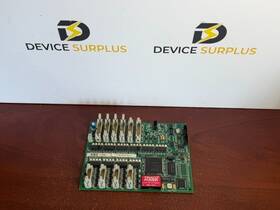
( Brand: Philips ), ( Manufacturer Part Number: 21605000 ), ( Part Type: Controller Board )
Review PHILIPS Adac Cioc Spect/ct Can I/o Controller Pcb Board Rev00332809
The **Philips ADAC 21605000 CIOC Spect/CT I/O Controller PCB Board (Part Number: 2160-5000, Serial: 00332809)** is a high-performance, mission-critical printed circuit board (PCB) designed to serve as the central interface and processing hub within Philips ADAC 2160 series computed tomography (CT) and spectral CT imaging systems. Engineered for precision and reliability, this controller board facilitates seamless communication between the CT scanner s core components, including the X-ray tube, detectors, gantry systems, and host workstation, ensuring optimal data acquisition, processing, and transmission for high-resolution medical imaging. The PCB integrates advanced digital signal processing (DSP) and real-time control logic to manage complex imaging parameters such as tube current modulation, voltage synchronization, and detector calibration, all while maintaining sub-millisecond response times to accommodate rapid gantry rotations and dynamic scan protocols. Built with robust, high-density interconnects and surface-mount technology (SMT), the board accommodates a variety of integrated circuits, including FPGAs, ASICs, and high-speed analog-to-digital converters (ADCs), which collectively enable the system to handle the vast data streams generated during spectral CT imaging where multiple energy levels are captured simultaneously for enhanced material differentiation and diagnostic clarity. Compatible with Philips proprietary CIOC (Computed Imaging Object Control) architecture, this controller board ensures backward and forward compatibility with existing and upgraded CT system software, making it a versatile component for both diagnostic and research applications. Its modular design allows for easy integration with peripheral subsystems, such as dose monitoring units, patient positioning interfaces, and network communication modules, further enhancing the system s adaptability for diverse clinical workflows. Whether deployed in high-volume emergency departments, specialized cardiac imaging centers, or advanced research facilities, this PCB board exemplifies Philips commitment to delivering cutting-edge technology that balances performance, durability, and clinical efficiency in the ever-evolving field of radiology.
### **Pros and Cons of buying a Philips ADAC 21605000 CIOC Spect/CT I/O Controller PCB Board (2160-5000 00332809)**
#### **Pros:**1. **Compatibility with Philips ADAC Systems** This PCB board is designed specifically for Philips ADAC 2160 series CT scanners, ensuring seamless integration with existing hardware. It is a direct replacement part, reducing the risk of compatibility issues.
2. **Reliability and Durability** Philips is a well-established manufacturer in medical imaging, and their components are generally built to withstand rigorous use in clinical environments. A genuine or high-quality aftermarket replacement should maintain similar reliability.
3. **Performance Stability** The I/O controller manages data transfer between the CT scanner s components (e.g., detectors, processors, and display systems). A functional unit ensures smooth operation, reducing downtime and improving diagnostic efficiency.
4. **Potential Cost Savings** If the original part is faulty, replacing it with a new or refurbished unit can be more economical than repairing an entire subsystem. Purchasing from authorized dealers or reputable suppliers may also prevent future costly repairs.
5. **Extended Equipment Lifespan** Replacing a failing component can prolong the operational life of the CT scanner, delaying the need for a full system upgrade or replacement.
6. **Access to Technical Support** If purchasing from Philips or an authorized distributor, you may receive technical assistance, warranties, or documentation to ensure proper installation and troubleshooting.
7. **Aftermarket Availability** If the part is no longer officially supported by Philips, third-party suppliers (e.g., eBay, medical equipment resellers, or specialized repair shops) may offer alternatives, providing flexibility in sourcing.
---
#### **Cons:**1. **High Cost** Original Philips parts or certified replacements can be expensive, especially if purchased directly from the manufacturer. Aftermarket parts may vary in quality, potentially leading to additional costs if they fail prematurely.
2. **Limited Availability** Older or discontinued models (like the ADAC 2160 series) may have reduced availability, making it difficult to find genuine or high-quality replacements. This could lead to delays in obtaining the part.
3. **Technical Complexity** Replacing a PCB board requires technical expertise, especially if it involves soldering, reconfiguration, or recalibration of the CT scanner. Improper installation could lead to system malfunctions or void warranties.
4. **Compatibility Risks with Aftermarket Parts** If purchasing from an uncertified source, there is a risk of receiving counterfeit or incompatible parts. These may not function correctly, leading to further damage or operational failures.
5. **Downtime During Replacement** Even with a new part, the CT scanner may need to be taken offline for installation, calibration, and testing. This downtime can disrupt clinical workflows and impact patient care.
6. **Warranty and Liability Issues** If the part is purchased from an unauthorized source, the manufacturer s warranty may not apply. This leaves the facility financially responsible for any defects or failures post-installation.
7. **Training and Certification Requirements** Some medical facilities may require certified technicians to handle repairs or replacements, adding administrative and logistical challenges.
8. **Potential for Obsolescence** Older CT scanner models may no longer receive software or firmware updates from Philips, which could limit functionality or integration with modern diagnostic tools.
---
### **Conclusion:**Buying the **Philips ADAC 21605000 CIOC Spect/CT I/O Controller PCB Board (2160-5000 00332809)** can be a practical solution for restoring or maintaining the functionality of an older CT scanner. The benefits include improved reliability, compatibility, and extended equipment lifespan, which can outweigh the costs in the long run particularly for facilities that rely heavily on this scanner.
However, the challenges such as high costs, limited availability, technical complexity, and potential risks with aftermarket parts must be carefully considered. The decision should be based on factors like budget, technical resources, and the urgency of the repair. If the facility lacks in-house expertise, consulting with a medical equipment specialist or Philips support may be advisable before proceeding.
---
### **Recommendation:**1. **Verify the Part s Condition and Source** If possible, obtain the part from an **authorized Philips distributor, a reputable medical equipment reseller, or a certified repair shop**. Avoid untested or counterfeit parts to ensure reliability.
2. **Assess Technical Feasibility** Confirm whether the facility has the expertise to install and calibrate the PCB board. If not, hire a certified technician to perform the replacement to avoid voiding warranties or causing further damage.
3. **Compare Costs and Alternatives** Evaluate whether repairing the existing unit or upgrading to a newer CT scanner model would be more cost-effective in the long term. Consider the total cost of ownership, including maintenance, downtime, and potential future repairs.
4. **Check for Warranty or Guarantee** If purchasing from a third party, inquire about return policies, warranties, or performance guarantees. A limited warranty can provide peace of mind.
5. **Plan for Downtime** Schedule the replacement during a low-activity period to minimize disruption to clinical operations. Coordinate with radiology staff and administrators to manage patient scheduling accordingly.
6. **Document the Process** Keep records of the purchase, installation, and any post-replacement testing. This documentation can be useful for future troubleshooting or warranty claims.
7. **Consider Professional Support** If the CT scanner is critical to operations, engaging Philips or a specialized service provider for the replacement and recalibration may be worth the investment to ensure optimal performance.
**Final Verdict:** If the part is essential for maintaining scanner functionality and the facility has the resources to handle the replacement safely, purchasing the **Philips ADAC 21605000 I/O Controller PCB Board** is a reasonable investment. However, weigh the pros and cons carefully, prioritize quality and compatibility, and seek professional assistance if needed to ensure a successful outcome.
Details:
PART #:2160-5000 REV.
part #: 21605000 prices
- $339.00-$373.99
specifications pcbemdev:
- brand: Philips
- mpn: 21605000
- part type: Controller Board
offer pcbemdev:
- quantity: 1
- sold: 0
- availability: In Stock
- best offers: True
- started: May 24, 2026
- options: Ship-to-home
seller pcbemdev:
- # reviews: 3089
- rating: 100.0%
- city: Menasha, Wisconsin
returns pcbemdev:
- policy: Returns Accepted
- method: Money back
- paid by: Buyer
- time: 30 Days
shipping pcbemdev:
- class: Standard
- carrier: UPS
- service: UPS Ground
- transit: 4-6 Days
- type: Fixed
- cost: $15.00
payments pcbemdev:
- other
- credit card: Discover
- wallet: Apple-pay
general pcbemdev:
- Electronic Components Semiconductors > Circuit Boards Prototyping > Printed Circuit Boards PCBs
- condition: Used
Philips 21605000 Is Similar To:
- Supply 357 Philips Power 3122 21342 Pcb (23.4% similar) Condition new original packaging opened for pictures and inspection includes item described above and exactly what's pictured just a few simple notes on shipping and other questions below free shipping includes best offers even though shows shipping not included when making offer. 2FWS 2FISAPI. ...(May 28th, 2015)
- 4022 51043 Pipette Extension Philips Pcb Board Controller 594 Assembleon (32.3% similar) Warranty this item is guaranteed to be as described. Doug deals is an ISO and OHSA's registered company. Comes in non original eds packaging. Included 1 assemble on Philips specifications manufacturer assemble on Philips model pipette controller board weight lbs. Please for a quote. Manufacturer ...(June 8th, 2015)
- Ci21 Philips Model Ci021 Board (30.3% similar) System ships via USPS and FedEx ground express. Buyer has option to select alternate transport carrier Ats expense. Fob phoenix. Philips model: CI021 board...(December 4th, 2017)
- Cp22-1 Philips Model 16k Board (30.3% similar) System ships via USPS and FedEx ground express. Buyer has option to select alternate transport carrier Ats expense. Fob phoenix...(July 3rd, 2017)
- M1401-60300 Philips Healthcare Pcb Backplane (30.1% similar) Due to our pick-up schedule, please before buying purchasing the item if needing expedited shipping. O if needing special shipping services please prior to purchasing buying on the item. So please asap. We estimate shipping costs in order to keep cost as minimal possible...(February 25th, 2017)
- Mm25 Philips Model Board Pcb (30.8% similar) System ships via USPS and FedEx ground express. Buyer has option to select alternate transport carrier Ats expense. Fob phoenix...(July 5th, 2017)
- Pg3101-10-pg3102-10 Philips Vmebus Disk Controller (30.2% similar) System ships via USPS and FedEx ground express. Unused old stock. Buyer has option to select alternate transport carrier Ats expense. Philips: PG3101 10-PG3102 10 verbs disk controller board. Fob phoenix...(November 30th, 2017)
- Philips 4022 230 1259 Cpu Board Used 136889 (39.1% similar) This does not include items sold as is or parts. It does not include manuals or printed materials. On our showroom floor. Related ideal reference numbers: 136889, 136902, 136901, 136900...(September 26th, 2023)
- Philips 453560817721 Brightview Spect ct Inbore Audio Pcb Circuit Board (45% similar) We acquired the unit in a state surplus sale. Regardless of the origin equipment, documentation provided or identification appearing upon equipment described and offered here is in no way certified for, recommended for any specific use. No other accessories. Comes as pictured. 1841 w carriage house ...(October 7th, 2023)
- Philips 4022-192-50835 Circuit Board (35.2% similar) Philips 5 circuit board...(April 18th, 2024)
- Philips 453561210225 Ie33 B-cart Naim Board Assembly Pn (36.1% similar) This Philips IE33 b-cart Nam board assembly is a top-quality electronic component that perfect for any business or industrial application...(August 1st, 2024)