HITACHI SEIKI 851380 Printed Circuit Board
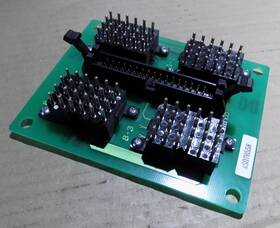
( Brand: Hitachi Seiki ), ( Manufacturer Part Number: 851380 ), ( Part Type: Circuit Board ), ( Country Of Origin: Japan )
Review HITACHI SEIKI Printed Circuit Board
The **Hitachi Seiki 851380 Printed Circuit Board (PCB)** is a high-performance, precision-engineered component designed for industrial automation, robotics, and advanced manufacturing applications. This robust PCB serves as the critical backbone for Hitachi Seiki s line of CNC (Computer Numerical Control) machines, particularly those used in cutting-edge metalworking, woodworking, and composite material processing. Crafted with meticulous attention to detail, the 851380 PCB integrates a sophisticated array of signal processing, control logic, and power management circuits, ensuring seamless operation within high-demand environments. Its compact yet durable design allows for efficient integration into compact machine enclosures while maintaining optimal thermal performance, thanks to strategic layout and high-quality materials that minimize heat buildup. The board features a multi-layer construction, combining copper-clad laminates with advanced dielectric materials to enhance signal integrity, reduce electromagnetic interference (EMI), and support high-speed data transmission essential for real-time CNC control. With a focus on reliability, the 851380 PCB incorporates robust component placement, including high-grade resistors, capacitors, and integrated circuits, all selected for their longevity and resistance to vibration, dust, and temperature fluctuations common challenges in industrial settings. Whether deployed in high-speed milling applications, precision laser cutting, or automated fabrication systems, this PCB delivers consistent performance, enabling operators to achieve superior accuracy, repeatability, and productivity. Its compatibility with Hitachi Seiki s proprietary control systems further ensures seamless integration with other machine components, such as servo motors, encoders, and human-machine interfaces (HMIs), creating a cohesive and efficient automation solution. For engineers and manufacturers seeking a dependable, high-performance PCB for their CNC or robotic systems, the Hitachi Seiki 851380 represents a testament to precision engineering and industrial-grade durability.
**Pros and Cons of buying a Hitachi Seiki 851380 Printed Circuit Board (PCB)**
The Hitachi Seiki 851380 is a printed circuit board commonly used in industrial sewing machines, particularly those in the Hitachi Seiki series. Below is a detailed analysis of its advantages and disadvantages.
### **Pros**
1. **Compatibility and Reliability**
The 851380 PCB is specifically designed for Hitachi Seiki sewing machines, ensuring seamless integration with models like the CS-1000, CS-1200, and others. Since it is an original or high-quality replacement part, it maintains the machine s intended functionality without compatibility issues.
2. **Durability and Longevity**
Hitachi Seiki components are known for their robust construction, often built to withstand frequent use in industrial or commercial settings. A well-made PCB like the 851380 can last for years if properly maintained, reducing the need for frequent replacements.
3. **Performance Consistency**
Unlike generic or aftermarket PCBs that may introduce inconsistencies, the 851380 is engineered to replicate the original performance of the machine. This includes precise stitch control, motor synchronization, and overall operational stability, which is critical for high-volume sewing tasks.
4. **Ease of Installation**
The PCB is designed to fit standard Hitachi Seiki sewing machines with minimal modifications. Many users report that replacing the PCB is a straightforward process, especially if they have basic technical knowledge or access to a technician. The part often comes with clear instructions or wiring diagrams.
5. **Support and Availability**
Hitachi Seiki maintains a network of authorized service centers and distributors, making it easier to source genuine parts. While the 851380 may not be as widely available as generic alternatives, it is more likely to be supported by technical documentation, troubleshooting guides, and customer service if issues arise.
6. **Reduced Risk of Malfunction**
Since the PCB is tailored for the machine s specific electrical requirements, it minimizes the risk of electrical shorts, overheating, or software glitches that can occur with incompatible parts. This is particularly important for machines used in production environments where downtime is costly.
7. **Warranty and Guarantee**
Purchasing from an authorized dealer or Hitachi Seiki s official channels may include a warranty, providing recourse if the PCB fails prematurely. This adds a layer of confidence for buyers who cannot afford extended machine downtime.
---
### **Cons**
1. **Higher Cost Compared to Generic Alternatives**
The 851380 is a branded part, and as such, it typically costs more than off-brand or third-party PCBs. For budget-conscious buyers, especially those with older machines, this can be a significant drawback. The price may also vary depending on the seller, with some distributors marking up prices due to rarity or demand.
2. **Limited Availability and Lead Times**
Unlike mass-produced consumer electronics, industrial sewing machine parts like the 851380 may not be stocked in every hardware store or online marketplace. Buyers may need to order from specialized distributors, which can result in longer shipping times. In some cases, the part may be discontinued, forcing users to rely on refurbished or used units.
3. **Complexity of Repair vs. Replacement**
While the PCB itself is relatively easy to replace, diagnosing the root cause of its failure (e.g., burnt traces, capacitor issues, or software corruption) can be challenging. Some users may need to consult a technician to determine whether the PCB is faulty or if other components (e.g., motor, power supply) are contributing to the problem. This adds to the overall repair cost.
4. **Potential for Counterfeit Parts**
Due to the part s popularity and cost, there is a risk of purchasing counterfeit or low-quality replicas, especially when buying from unverified sellers. Counterfeit PCBs may fail prematurely, lack proper labeling, or not function as intended, leading to further damage to the sewing machine. Buyers should verify the seller s reputation and authenticity of the part.
5. **Technical Knowledge Required for DIY Replacement**
While the replacement process is often straightforward, it may require basic soldering skills, multimeter usage, or familiarity with the machine s electrical layout. Those without technical experience may struggle with wiring connections, calibration, or ensuring the new PCB is properly seated. Improper installation can lead to short circuits or incomplete functionality.
6. **Compatibility with Modified Machines**
If the sewing machine has been modified (e.g., upgraded motor, additional features, or custom wiring), the 851380 PCB may not fully support these changes. Users who have altered their machines may need to consult Hitachi Seiki s documentation or a technician to ensure the PCB will work as intended after installation.
7. **Environmental and Maintenance Considerations**
Like all electronic components, the 851380 PCB can degrade over time due to dust, moisture, or electrical fluctuations. Industrial sewing machines often operate in environments with high humidity or debris, which can accelerate wear. Regular cleaning and maintenance are necessary to prolong the PCB s lifespan, adding to the long-term cost of ownership.
---
### **Conclusion**
The Hitachi Seiki 851380 PCB is a high-quality, reliable component for maintaining or restoring the functionality of compatible sewing machines. Its primary strengths lie in its **compatibility, durability, and performance consistency**, making it an ideal choice for users who prioritize long-term reliability and seamless integration. However, the **higher cost, limited availability, and potential for counterfeit parts** present significant drawbacks, particularly for budget-conscious buyers or those in regions with limited access to authorized distributors.
For **industrial or commercial users** who rely on their sewing machines for production and cannot afford downtime, investing in a genuine 851380 PCB is often justified. These users benefit from the part s **consistent performance and warranty support**, which outweigh the higher upfront cost.
For **hobbyists, home sewers, or users on a tight budget**, the decision may hinge on whether the machine s value justifies the expense. In such cases, **thorough research into alternative parts, seller reputation, and installation requirements** is essential. If the machine is older or no longer in active use, exploring refurbished or used PCBs from trusted sources could be a cost-effective alternative.
---
### **Recommendation**
1. **For Industrial/Commercial Users:**- **Purchase from an authorized Hitachi Seiki distributor or official dealer** to ensure authenticity and warranty coverage.
- **Verify the machine s model compatibility** before buying to avoid mismatches.
- **Document the installation process** and consult a technician if unsure about wiring or calibration.
- **Consider preventive maintenance** (e.g., cleaning, dust protection) to extend the PCB s lifespan.
2. **For Hobbyists/Home Users:**- **Compare the cost of the 851380 with generic alternatives** (e.g., eBay, Alibaba, or specialized sewing machine part sellers). Ensure the seller has positive reviews and clear return policies.
- **Check for refurbished or used PCBs** if the machine is not critical to daily use.
- **Test the PCB for functionality** before committing to a purchase, especially if buying from an untested source.
- **Be prepared for potential DIY challenges** if unsure, hire a technician to install the part.
3. **General Advice:**- **Always back up any machine settings or software** before replacing the PCB, as some models may require reconfiguration.
- **Keep receipts and warranties** in case of defects or issues post-installation.
- **Consider the long-term cost** while the 851380 may be expensive upfront, its reliability could save money by preventing frequent repairs or machine failures.
Ultimately, the **851380 PCB is a strong choice for users who value reliability and compatibility**, but buyers should weigh its advantages against their specific needs, budget, and technical comfort level. For most professional applications, the investment is worthwhile; for casual users, alternatives may offer better value.
Details:
Unless, Its noted in the listing. Location: 2nd floor box 22 Warranty does not cover item being sold for parts or repair. For electrical and electronic item, warranty is honored with PROOF of a Certified Electrician Who installed it. HITACHI SEIKI 851380 printed circuit board, condition: used/ pre-owned, comes as shown.
Software Programs are not covered. Testing, checking, and local pick-up are highly encouraged. Manuals, Books are not covered. Note: for used/ pre-owned item, it may be tarnished, has scratches, surface rust, and/ or shelf rash, is as to expected of condition/ used condition It been and sitting around awhile.
Cosmetics are NOT covered under Surplus Stock Item/ Items. Please see all photos as part of items and double check that You can use it ask question.
part #: 851380 prices
- $27.95-$99.99
specifications pcbemdev:
- brand: Hitachi Seiki
- mpn: 851380
- part type: Circuit Board
- country of origin: Japan
general pcbemdev:
- Electronic Components Semiconductors > Circuit Boards Prototyping > Printed Circuit Boards PCBs
- condition: Used
seller pcbemdev:
- # reviews: 3090
- rating: 99.6%
- city: Fremont, California
payments pcbemdev:
- credit card: Mastercard
- wallet: Google-pay
- other
shipping pcbemdev:
- class: Standard
- carrier: USPS
- type: Fixed
- transit: 5-11 Days
- cost: $7.99
- service: USPS Ground Advantage
returns pcbemdev:
- method: Money back
- policy: Returns Accepted
- time: 14 Days
- paid by: Buyer
offer pcbemdev:
- started: March 8, 2026
- best offers: True
- options: Ship-to-home
- quantity: 1
- availability: In Stock
- sold: 0
Hitachi Seiki 851380 Is Similar To:
- 01-20-00 Hitachi Seiki Cnc Board (59.5% similar) Often these items are priced at only a fraction of their normal cost...(September 1st, 2017)
- 02-01-01 Hitachi Seiki Roin Cnc (52.1% similar) Often these items are priced at only a fraction of their normal cost...(November 6th, 2017)
- 06-19-00-00-a Hitachi Seiki Cnc Boards Pzj (52.4% similar) Often these items are priced at only a fraction of their normal cost...(July 3rd, 2018)
- 06-19-00-01 Hitachi Seiki Cnc Board (57.1% similar) Often these items are priced at only a fraction of their normal cost...(November 2nd, 2017)
- 0f10383-jpt39c0c9b 0f10383 Hitachi Deskstar 1tb 7200rpm Hdd Pcb Board Only (34.5% similar) Working pull, includes PCB, screws and sticker from associated HDD. Up for bids is a Hitachi 1TB 0F10383 PCB board only...(January 31st, 2016)
- 10-01-02 Hitachi Seiki Opsw-mc Cnc (44.7% similar) Often these items are priced at only a fraction of their normal cost...(April 27th, 2017)
- 10-02-01 Hitachi Seiki Opio-mc Cnc (47.4% similar) Often these items are priced at only a fraction of their normal cost...(November 7th, 2017)
- 10-05-04-01 Hitachi Seiki Cnc Boards Pzj (53.7% similar) Often these items are priced at only a fraction of their normal cost...(November 12th, 2018)
- 10-07-04-01b Hitachi Seiki Cnc Board Pzo (53.7% similar) Often these items are priced at only a fraction of their normal cost...(September 19th, 2018)
- 10-08-05-01b Hitachi Seiki Cnc Board (56.4% similar) Often these items are priced at only a fraction of their normal cost...(December 14th, 2017)
- 10-34-03-00 Hitachi Seiki Cnc Board (57.1% similar) Often these items are priced at only a fraction of their normal cost...(July 18th, 2017)