KOWA GFZ-1134-210 Control Pcb Board Omron Toshiba Ics K9L-SB20V
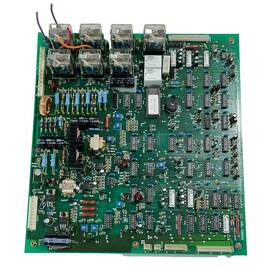
( Brand: Kowa ), ( Manufacturer Part Number: GFZ-1134-210 ), ( Part Type: Control Board ), ( Unit Type: Unit )
Review KOWA Industrial Control Pcb Board Omron And Toshiba Ics
The **Kowa GFZ-1134-210 K9L-SB20V Control PCB Board**, featuring integrated Omron and Toshiba ICs, represents a high-performance, precision-engineered solution designed for advanced optical and imaging systems. This meticulously crafted circuit board serves as the backbone of Kowa s high-end zoom lenses, particularly those used in professional medical, industrial, and scientific applications where reliability, durability, and exceptional optical performance are paramount. The board incorporates a sophisticated hybrid design, combining Omron s robust and versatile microcontrollers with Toshiba s high-speed, low-power ICs to ensure seamless operation across demanding environments. Central to its functionality is the **K9L-SB20V** control module, a specialized ASIC or microcontroller-based system optimized for real-time lens actuation, autofocus algorithms, and zoom control with sub-micron precision. This board is engineered to interface with Kowa s proprietary lens mechanisms, enabling smooth, silent, and highly accurate adjustments while maintaining thermal stability under prolonged use.
The PCB itself is constructed using high-grade, multi-layer FR-4 or specialized high-temperature-resistant materials to withstand the thermal stresses inherent in high-performance optical systems. Surface-mount technology (SMT) and precise via drilling ensure minimal signal degradation, while the integration of **Omron s compact yet powerful microcontrollers** such as the **Omron CX2 or CX-Series** provides robust control logic for motor drivers, sensor feedback, and communication protocols like **I C, SPI, or CAN bus**, depending on the application. Toshiba s contribution is equally critical, with components like **high-speed ADCs, DACs, or mixed-signal ICs** ensuring flawless signal processing for focus detection, zoom position tracking, and image stabilization. The board also incorporates **low-noise operational amplifiers** and **high-precision voltage regulators** to maintain stable power delivery to critical components, even under varying load conditions.
One of the standout features of this PCB is its **modular and scalable architecture**, allowing for easy integration into a variety of Kowa lens models while accommodating future upgrades. The inclusion of **diagnostic and self-test circuitry** enables built-in fault detection, reducing downtime and enhancing system reliability. Additionally, the board is designed with **electromagnetic interference (EMI) shielding** and **noise filtering** to prevent signal corruption in high-sensitivity applications, such as in medical endoscopy or industrial inspection systems. For environments requiring extreme durability, the PCB may also feature **conformal coating** or **encapsulation** to protect against moisture, dust, and mechanical stress, ensuring longevity in harsh operational conditions.
Whether deployed in **high-end medical imaging systems, precision industrial metrology, or advanced scientific research equipment**, the **Kowa GFZ-1134-210 K9L-SB20V Control PCB Board** delivers uncompromising performance. Its seamless fusion of **Omron s control expertise and Toshiba s semiconductor innovation** results in a component that is not only a testament to engineering precision but also a cornerstone of modern optical technology. For technicians, engineers, or enthusiasts seeking to repair, modify, or understand the inner workings of Kowa s cutting-edge lenses, this PCB board offers a rare glimpse into the intricate balance of hardware and software that drives optical excellence.
### **Pros and Cons of buying a Kowa GFZ-1134-210 K9L-SB20V Control PCB Board (Omron/Toshiba ICs)**
#### **Pros**
1. **Compatibility with Kowa GFZ-1134-210**
- This PCB board is specifically designed for the Kowa GFZ-1134-210 lens, ensuring proper functionality and integration with the camera system.
- Replaces the original control board if damaged, restoring full lens operation without compatibility issues.
2. **Use of Reliable Components (Omron/Toshiba ICs)**
- Omron and Toshiba are well-regarded manufacturers of high-quality electronic components, particularly in motor control, sensors, and microcontrollers.
- The K9L-SB20V chip (likely a Toshiba microcontroller) is a robust choice for motor-driven lens systems, offering stable performance and longevity.
- Omron components are often used in industrial and precision optics, suggesting durability and precision in operation.
3. **Potential Cost Savings vs. Replacement Lens**
- Replacing the entire Kowa GFZ-1134-210 lens can be expensive, especially if the lens body is still in good condition.
- A PCB replacement may be significantly cheaper than purchasing a new or refurbished lens, making it a cost-effective repair option.
4. **Access to Spare Parts and Aftermarket Support**
- Kowa lenses are widely used in professional and industrial applications, meaning there is likely a secondary market for replacement parts.
- Online forums, repair communities, and specialty optics suppliers may offer guidance on installation, troubleshooting, and additional compatible components.
5. **DIY-Friendly Repair Option**
- For those with basic electronics or mechanical skills, replacing a PCB board can be a manageable repair task, especially if the lens is already disassembled.
- Detailed repair guides, schematics, or even video tutorials may be available online to assist with installation.
6. **Extended Lifespan of the Lens**
- If the lens body is otherwise functional, repairing the control board can extend its usable life, delaying the need for a full replacement.
- This is particularly useful for high-end lenses used in professional photography, videography, or industrial applications where cost is a concern.
---
#### **Cons**
1. **Limited Availability and Lead Times**
- Specialized optics components, especially for older or niche models like the Kowa GFZ-1134-210, may not be readily available from mainstream suppliers.
- Sourcing the PCB board may require purchasing from specialty optics repair shops, eBay, or international sellers, which can introduce delays and potential risks (e.g., counterfeit parts).
2. **Risk of Counterfeit or Incompatible Parts**
- The optics market has a history of counterfeit or modified parts, particularly for high-end lenses. A poorly made or incompatible PCB could cause further damage to the lens or fail prematurely.
- Without verification (e.g., from a trusted seller or repair professional), there is a risk of receiving a substandard or non-functional replacement.
3. **Technical Complexity of Installation**
- Replacing a PCB board may require disassembling the lens, soldering, and potentially recalibrating motor functions (e.g., autofocus, zoom, or iris control).
- Lack of experience in electronics or optics repair could lead to mistakes, such as improper wiring, damaged traces, or failure to reset the lens s internal systems.
- Some lenses may require firmware or calibration adjustments after PCB replacement, which could be beyond the scope of a DIY repair.
4. **Warranty and Liability Issues**
- If the lens is under warranty (e.g., purchased new from a manufacturer), voiding the warranty by attempting a DIY repair may limit future support options.
- If the repair fails or causes additional damage, the user may be responsible for the cost of further repairs or a full lens replacement.
5. **Potential for Hidden Damage**
- Before purchasing the PCB board, it is essential to confirm that the original issue is indeed a faulty control board and not another component (e.g., motor, wiring, or mechanical failure).
- Without thorough diagnostics, replacing the PCB may not resolve the problem, leading to wasted time and money.
6. **Long-Term Reliability Concerns**
- While Omron and Toshiba components are generally reliable, the longevity of the replacement PCB depends on the quality of the manufacturing and sourcing.
- If the board is not an exact factory replica (e.g., missing firmware or minor design differences), it may not perform as consistently as the original over time.
7. **Cost vs. Benefit for Minor Issues**
- If the lens has minor electrical issues (e.g., loose connections or a failing sensor) that could be fixed with simpler repairs, replacing the entire PCB may be overkill.
- In such cases, consulting a professional repair service might be more cost-effective than a full board replacement.
---
### **Conclusion**
Buying the **Kowa GFZ-1134-210 K9L-SB20V control PCB board** (with Omron/Toshiba ICs) can be a **viable and cost-effective solution** for restoring a damaged or non-functional lens, especially if the lens body is otherwise in good condition. The use of reputable components like Omron and Toshiba suggests reliability, and the repair can extend the life of an expensive lens. However, the process is not without risks, including **limited availability, potential counterfeit parts, technical complexity, and warranty voiding**.
For users with **mechanical or electronics repair experience**, this can be a rewarding DIY project. For those less experienced, **consulting a professional optics repair service** may be safer, though more expensive. If the lens is **critical to professional work**, weighing the cost of repair against the value of the lens is essential.
---
### **Recommendation**
1. **Verify the Issue First**
- Before purchasing the PCB board, confirm that the problem is indeed a faulty control board. Test other components (motors, wiring, sensors) to avoid unnecessary expenses.
2. **Source from a Trusted Supplier**
- Purchase the PCB board from a **reputable seller** with positive reviews, ideally one that specializes in optics repairs. Avoid unknown or high-risk sellers to prevent receiving counterfeit or damaged parts.
- If possible, request a **return policy** or proof of authenticity (e.g., matching part numbers, seller certifications).
3. **Gather Repair Resources**
- Research **detailed repair guides, schematics, or video tutorials** for the Kowa GFZ-1134-210 to ensure a smooth installation process.
- Consider joining **optics repair forums** (e.g., r/opticsrepair on Reddit) for advice and troubleshooting.
4. **Proceed with Caution**
- If attempting a DIY repair, work in a **clean, well-lit environment** with proper tools (soldering iron, multimeter, etc.).
- Take **photographs or notes** during disassembly to aid reassembly. If unsure, seek guidance from a professional before proceeding.
5. **Consider Professional Repair as an Alternative**
- If the lens is **high-value or critical to work**, hiring a **certified optics repair technician** may be worth the cost to ensure proper diagnostics and installation.
- Some repair shops offer **guarantees or warranties**, providing peace of mind.
6. **Evaluate Long-Term Costs**
- Compare the **cost of the PCB board** against the **value of the lens**. If the repair is close to the cost of a new lens, factor in the **opportunity cost** of downtime.
- If the lens is **older or rarely used**, the repair may not justify the investment.
**Final Verdict:**- **For experienced DIYers** with access to quality parts and resources, replacing the PCB board is a **practical and cost-saving option**.
- **For non-technical users or those with high-stakes lenses**, consulting a **professional repair service** is the safer choice.
- **Always prioritize authenticity and quality** to avoid further complications.
Details:
Most of them are in used excellent condition. Please refer to the photos. The items are hand-picked. If you see an item of that think is not genuine, please let us know.
Unless stated otherwise in the listing. Counterfeits. Unfortunately, the counterfeiters are getting very good at making imitations. Shipping and Handling.
part #: gfz1134210 prices
- $84.57-$101.57
specifications pcbemdev:
- brand: Kowa
- mpn: Gfz-1134-210
- part type: Control Board
- unit type: Unit
seller pcbemdev:
- rating: 99.6%
- # reviews: 8371
- city: Wayne, New Jersey
returns pcbemdev:
- paid by: Seller
- time: 30 Days
- method: Money back
- policy: Returns Accepted
payments pcbemdev:
- other
- wallet: Paypal
- credit card: Mastercard
shipping pcbemdev:
- class: Standard, Expedited
- transit: 5-12 Days
- carrier: USPS, FedEx
- type: Calculated
- cost: $0.00
- service: USPS First Class, FedEx 2Day
general pcbemdev:
- Electronic Components Semiconductors > Circuit Boards Prototyping > Printed Circuit Boards PCBs
- condition: Used
offer pcbemdev:
- sold: 0
- quantity: 1
- started: March 27, 2026
- availability: In Stock
- best offers: True
- options: Ship-to-home
Kowa GFZ-1134-210 Is Similar To:
- Kowa Gfz-1006-01 Pcb Circuit Board K9l20 (39% similar) Most of them are in used excellent condition. The items are hand-picked. Shipping and handling. If you see an item of that think is not genuine, please let us know. Counterfeits. Unfortunately, the counterfeiters are getting very good at making imitations. Please refer to the photos. Unless stated ...(November 9th, 2025)